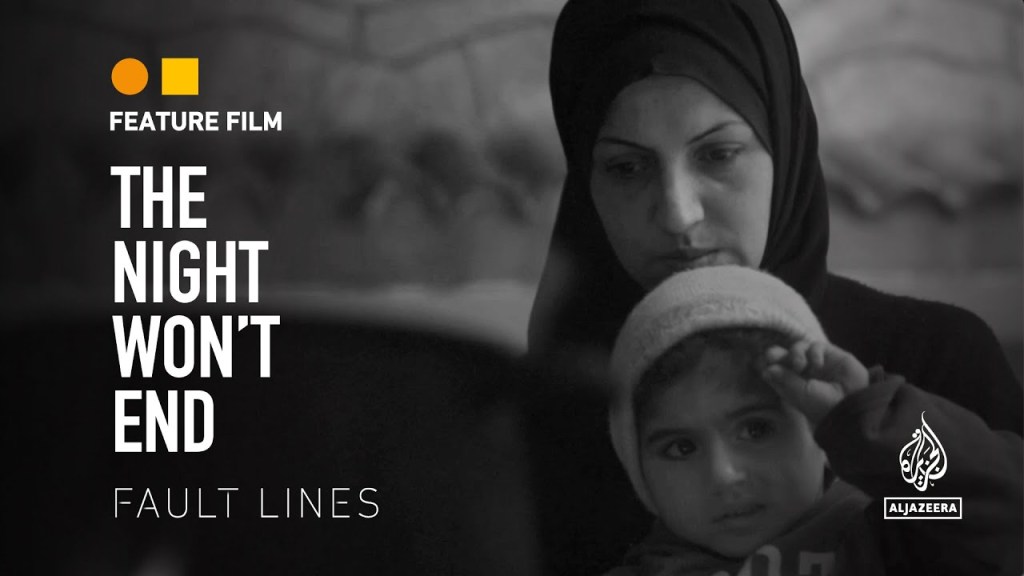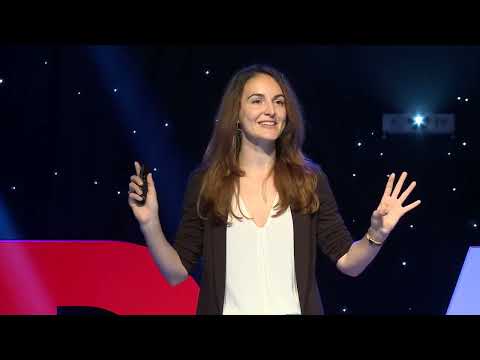
We learned so much from Laila Al Arian, and about her team’s selfless work to bring truth to the world, and documenting history as it is happening.
Please see notes from the meeting below:
(more…)
We learned so much from Laila Al Arian, and about her team’s selfless work to bring truth to the world, and documenting history as it is happening.
Please see notes from the meeting below:
(more…)
Lately, I’ve been thinking a lot about how we use AI—not just as a tool, but as a way to shape narratives, empower voices, and push truth forward. The tech itself isn’t inherently good or bad; it reflects the data we give it and the intentions we carry into its use.
That’s why I say: use AI for good.
And when I say “good,” I mean truth, justice, equity.
Google’s motto has evolved from “Don’t be evil” to “Do the right thing,” but in the recent years, the company has abandoned these principles entirely. Through Project Nimbus, a $1.2 billion contract with the Israeli government, Google and Amazon are providing cloud computing and AI technology that directly supports Israel’s ongoing genocide in Gaza and apartheid regime in Palestine. Despite protests from their own employees, Google has chosen to:
(more…)
In an earlier post we shared that MPP Bethlenfalvy refuses to stand up against the bully MPP McLeod. We are not giving up. We put up 100 of these signs all over Pickering. More are coming!


In the digital age, social media platforms and financial investments are transforming into powerful tools for driving change. This was a poignant theme in a recent meeting of peace advocates, where they discussed leveraging these platforms to promote peace and influence policy change.
Enzo, an active participant in the meeting, discussed his new LinkedIn page, <a href=’Ceasefire”>https://www.linkedin.com/company/ceasefire-now/’>Ceasefire Now. Created to avoid spam and blockage issues, the page aims to draw the attention of the White House and hopefully make posts viral. Enzo hopes that journalists will pick up on these posts, thus creating a wider reach for their cause.
Despite some setbacks like shadow banning and threats, Enzo emphasized the importance of diversifying their communication channels, considering LinkedIn is most vulnerable to blocking. The conversation showed the importance of resilience in the face of challenges to keep the cause alive.
A significant part of the meeting focused on raising awareness about the implications of financial investments. Naheed and Adil shared that Ireland has acknowledged that they shouldn’t be buying US Treasuries, a significant step towards conscious investing.
They also discussed the ‘NoThankYou’ app, for Android users, which checks for Boycott, Divestment, Sanctions (BDS). The team has been proactively reaching out to 36 countries, questioning why they are buying US treasuries. They’ve also embarked on a petition process to engage more people and are contacting pension funds for greater impact.
The team’s efforts seem to be bearing fruit, with SWAN responding positively and a bank reconsidering their financial allocations. However, Adil cautioned that this path is not without its challenges, as he has been threatened with legal action by a bank he used to work for. Nevertheless, their commitment to addressing the public and raising questions about financial investments remains unshakeable.
Naheed pointed out that many people are unaware that ordinary people are buying US treasuries. There is a growing demand for ‘cleaner’ investments, free from the taint of war stocks. To drive this awareness, they suggest publicly calling out banks like Scotia and Wealth Simple, which have investments on the BDS list.
Amine added that Citibank is one of the worst culprits from a BDS perspective. This part of the conversation highlighted the need for greater public scrutiny of financial institutions, to push them towards ethical investing.
The meeting concluded with an exciting announcement by Amal about a special guest for their next meeting – a documentary filmmaker. This suggests a move towards creating their own media to further amplify their message.
As the meeting concluded, it left a lingering sentiment of a group of determined individuals leveraging the power of social media and conscious investing to make a difference. Their journey is a testament to the potential of collective action in the digital age.
Now, more than ever, it’s crucial to be aware of where our money is going. Are we inadvertently supporting war through our investments? Let’s start asking these questions to our financial institutions and demand ‘cleaner’ investments. Let’s use our power to bring about change.

On January 3, 2024, members of the Freedom Advocacy Group gathered to brainstorm and strategize about campaigns, initiatives, and partnerships aimed at promoting Palestinian liberation. The meeting touched on various key aspects, from cooperative efforts with the Boycott, Divestment and Sanctions (BDS) movement to the humanization of the Palestinian people through social media. Here’s a deep dive into the key points discussed during the meeting.
Amin, a member of the group, shared his experience meeting with the BDS organization. BDS is known for its targeted campaigns against specific organizations, focusing on both global and local campaigns. With partners like CJPME and BDS Quebec in Canada, the group is currently targeting entities like Scotiabank and Indigo.
The BDS movement also plans to name and shame the United Arab Emirates (UAE) due to their normalization. This is a bold strategy that exposes those who contribute to the ongoing crisis indirectly by maintaining diplomatic relations with the oppressors. The naming/shaming initiative is set to be updated on BDSMovement.net on January 10th.
Interestingly, BDS is not just focusing on organizations directly linked to the conflict. They’re also targeting corporations like HP and Citibank over human rights violations. The strategy here is to hit where it hurts most. For instance, while HP seems indifferent to war-related associations, they are concerned about looking racist, an angle BDS is keen to explore.
Rizwan, a Medical Tech entrepreneur, is working on a project aimed at humanizing the Palestinian people. He started the group ‘Children of Palestine’, modeled after the popular ‘Humans of New York’ community. The group’s mission is to share positive stories about Palestinians, with a specific focus on children rather than the war. By doing so, Rizwan aims to provide a different perspective on the Palestinian people, shedding light on their humanity amidst the ongoing conflict.
Another key point that came up during the meeting was the idea of launching a consistent, clear messaging campaign on LinkedIn. This initiative, led by Salman, aims to carry a strong, urgent, and loud voice calling for a ceasefire and Palestinian liberation. This business-focused campaign is to be reviewed by a small group before being shared widely.
Amal, another member of the group, suggested a unique approach—talking to Risk Managers at local organizations. This innovative idea leverages the fact that companies have an obligation to avoid conflicts of interest and uphold human rights, thus making them potential allies in the fight for Palestinian liberation.
Members were reminded to populate the group’s skills database and idea bank, and to invite at least one trusted person from their network to the group, ensuring the community continues to grow. This shows the importance of expanding the group’s influence and sharing resources.
Finally, the group discussed potential actions to be taken in the future. This ranged from going over the ideas in the idea bank to confirm which ones to implement, to putting together a list of LinkedIn folks who are problematic and should be addressed. The meeting concluded with an agreement to continue pushing for divestments, as brought up in the discussion with BDS.
On January 31, 2024, an important meeting took place with several activists, professionals, and organizations at the forefront of advocacy and aid efforts in Gaza. The meeting discussed a number of key initiatives, strategies, and actions to change the narrative and help the people on the ground in Gaza.
Ali, a Canadian-Lebanese businessman and IT professional, has been making efforts to send direct aid to people in Gaza. Bassem’s approach is personal, helping two extended families in Gaza by sending funds and money directly to them. He remains connected with journalists and local people in Gaza, ensuring first-hand information about the situations and needs on the ground. <a href=’Here”>https://gofund.me/fbb675d2′>Here you can learn more about the people he is helping.
Attracting major donors to support the cause was another topic of discussion. Sarah suggested the idea of reaching out to big donors, like Ben and Jerry’s, with a question: How do we get them to support our cause? More about this initiative can be found <a href=’here”>https://gofund.me/70b35183′>here.
Ghazwa highlighted an interesting aspect of aid distribution. He noted that some people may sell a portion of their food and other aid to barter other things, like construction materials. This shows the complexity of the situation on the ground, where aid is trickling in but not reaching enough people.
Sunjeev Bery, Director at Freedom Forward, is focused on challenging Western media bias. Freedom Forward, founded after Amnesty, has launched a campaign to document and challenge this bias. The campaign targets Western media as business entities and considers their reputation. It involves various action items, including targeting board members, subscribers, advertisers, and placement editors. Sunjeev’s <a href=’campaign”>https://docs.google.com/document/d/1y8nxf8BzXvQwk_d-wdMcbCCGBAoMx5afnxls75IOh2k/edit’>campaign proposal provides more details.
Sarah and Heer have organized campaigns to collectively create posts and then post them. An example given was the ‘Fact a day’ campaign. The focus is to change the narrative and put things into perspective. The campaign will launch on February 7, and they are looking for support in posting, reposting, and making original posts.
Saif, part of Global Shapers, is trying to change the narrative through the program. He’s also pushing Accenture to have a conversation about Zionism, and if they refuse, make their refusal public. Saif is looking to find allies in media/journalists to push their stories and is looking for any leads and guidance on how to do that.
These discussions offer a crucial glimpse into the ongoing efforts of changing narratives and bringing aid to the people in Gaza. From direct aid to challenging media bias, there’s much work to be done. If you’d like to support these efforts, consider engaging with the campaigns, sharing the posts, or donating to the causes.
On January 24, 2024, we had the privilege of hosting an insightful conversation with Rawan Damen, a renowned journalist who has been changing narratives and training hundreds of journalists. This post is a detailed account of the discussion, providing an in-depth look into the Palestinian history, current situation, and the pivotal role of journalism in shedding light on the truth.
Rawan Damen, a seasoned journalist, has been volunteering for <a href=’Palestine”>https://palambassador.org/’>Palestine Ambassador for five years. Her work is focused on producing fact-based content and training journalists to do the same. Her passion for unraveling the truth has led to the production of numerous documentary films over the last 20 years.
Rawan’s work delves into the history of Palestine dating back to the nineteenth century. She shed light on pivotal historical events such as Napoleon’s 1799 call for the relocation of Jews to Palestine and the 1840 British plan to move British Jews to Palestine. Rawan highlighted that these events took place long before the Zionist movement started in the 1860s.
Rawan emphasized the importance of accurate representation of the Palestinian story. Contrary to popular belief, she pointed out that in 1948 around one million Palestinians were expelled, not 750,000, and only 160,000 stayed. The stories of these Palestinians are captured in the second section of the Palestine Ambassador site titled <a href=’“>https://palambassador.org/courses/unit-2-owners-of-the-land/’> ‘Owners of the Land’. This section also covers the destruction of Palestinian cities within Israel.
Rawan also discussed contemporary issues such as the Oslo Accords’ impact and the current situation in the West Bank and Gaza. She highlighted the work of several filmmakers documenting the Palestinian experience, such as ‘Gaza Here We Come’, ‘Stronger Than Words’, and ‘Gaza Lives On’, which she commissioned when working at Al Jazeera.
Rawan pointed out the existence of stories seldom told, like the use of Palestinians as human shields by Israeli soldiers and the British in the 1930s and 1980s, respectively. Also, she drew attention to the different Jewish communities within Israel and their complex relationship.
Rawan Damen’s work is a reminder of the importance of telling the complete story. As readers, it is our responsibility to seek out these stories and amplify them to challenge the dominant narrative. Let’s continue to educate ourselves and others about Palestine’s history and its present struggles.

At the heart of any effective movement is a group of dedicated individuals working together towards a unified goal. In the case of the pro-Palestinian movement, this collaboration takes place in a series of meetings where strategies are discussed, refined, and implemented. These meetings serve as a platform for members to share their experiences, ideas, and resources.
During these meetings, each participant gets the opportunity to introduce themselves and share their background, reinforcing the sense of unity and shared purpose. A significant part of the meetings is dedicated to discussing various campaigns and strategies. Let’s take a closer look at some of the ideas discussed in recent meetings.
Amal initiated a campaign on LinkedIn to raise awareness about the Palestine situation. By sharing original content from Palestinian creators, the campaign aimed to humanize Palestinians and encourage empathy. The strategy proved successful, with engagement increasing from a few hundred to nearly 10,000 comments.
“Don’t look away. Be #human first.” – Amal
The key takeaway from this campaign is that personal narratives resonate strongly with audiences, fostering empathy and understanding.
Kambiz proposed a unique approach to supporting Palestinians through corporate Diversity, Equity, and Inclusion (DEI) initiatives. The focus was on building a biotech hub in Abu Dhabi, UAE, and incorporating Palestinians into corporate DEI efforts globally. This initiative created a <a href=’Palestinian”>https://www.linkedin.com/groups/9557137/’>Palestinian DEI Initiative & Job Board, which was open to everyone.
Salman shared his strategy of connecting with both allies and non-allies on LinkedIn, intending to break echo chambers and foster more inclusive conversations. He emphasized the power of adding a personal touch, such as sharing personal experiences or conversations, to post content.
While these campaigns showed potential, the group acknowledged the challenges faced by people who speak out for the cause. Some have faced threats or even lost their jobs. A common theme was the idea of focusing on action rather than arguments, with one member advising to post a rebuttal and move on rather than wasting time arguing with those who support the genocide.
One of the proposed action plans included developing a weekly theme for the group’s activities to avoid information overload. Another idea was to replicate successful LinkedIn campaigns on other social media platforms. There were also proposals for creating resources for corporate employers, such as snippets of conversations and media quotes, to facilitate discussions about the situation in Palestine.
As the meetings concluded, the group was left with a variety of ideas to consider and implement. From divesting from banks that support Israel’s arms trade to contacting politicians, the group was ready to take a stand. But perhaps the most crucial takeaway was the overwhelming sense of unity, purpose, and resilience that resonated in each meeting. Despite the challenges, the group was determined to continue its advocacy and work towards a future where Palestinians are recognized, heard, and respected.